What to Do When You Have a Loose Dental Crown
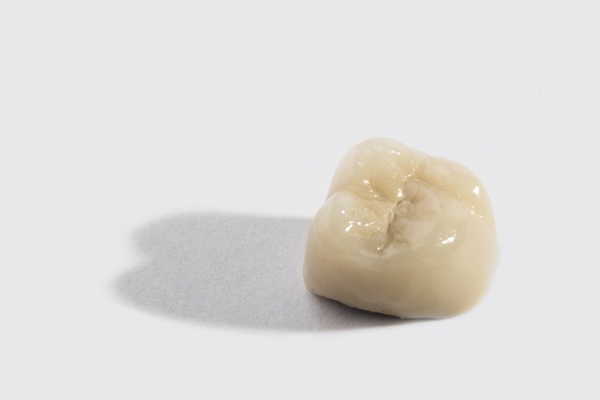
A loose dental crown can make chewing feel awkward and leave the tooth underneath more exposed to damage. Because a dental crown covers and protects a weakened or treated tooth, it is important to address movement as soon as possible. Even if the crown has not fallen off, a loose fit may allow bacteria, food particles, and pressure to reach areas that need protection. Knowing which steps to take can help reduce discomfort and prevent the problem from worsening before a dental visit.
Signs the crown is loose
Some patients notice a dental crown shifting when they chew, brush, or floss. Others feel pressure, soreness, or sensitivity to hot and cold foods. In some cases, the crown may still look normal, but no longer feel secure when the tongue touches it. This can happen when cement wears down, the tooth changes shape, or decay develops under the restoration.
A loose crown should not be ignored. The longer it moves, the greater the chance of damaging the tooth, irritating the gums, or trapping debris around the edges. A general dentist can examine the area and determine whether the crown can stay in place, needs recementing, or should be replaced.
What to do at home
If a dental crown feels loose, avoid chewing on that side of the mouth until the tooth is evaluated. Sticky, hard, or chewy foods, as well as gum, can pull on the crown and increase the risk of it coming off completely. Keep the area as clean as possible by brushing gently and rinsing with water after meals to reduce food buildup around the crown.
If the crown comes off, store it in a clean container and bring it to the appointment. Do not try to force it back into place, especially if the fit feels uneven or painful. Over-the-counter dental cement may seem helpful in the moment, but placing the crown incorrectly can affect the bite and complicate treatment. The goal is to protect the crown and the tooth until the dentist can examine both.
Why prompt care matters
A dental crown covers a tooth that often has a large filling, a crack, or a history of root canal treatment. When the crown loosens, the exposed tooth may be more likely to chip, collect bacteria, or become sensitive. Prompt treatment helps reduce the chance of further damage and may allow the dentist to save the existing crown if it still fits well.
Treatment depends on the cause of the problem. If the crown and tooth remain in good condition, the dentist may clean the area and recement the crown. If decay, damage, or wear has changed the fit, a new dental crown may be necessary. In either case, quick care helps restore comfort and protect the tooth from avoidable complications.
Protect your restored tooth
A loose dental crown is a sign that the restored tooth needs attention. Avoiding pressure, keeping the area clean, and scheduling an exam right away can help prevent added damage while you wait for treatment. With timely care, many patients can return to normal function and protect the underlying tooth in the long term. For more information or to schedule an appointment, call our office.
To schedule a consultation, please request an appointment on our website at https://fielddentalcenter.com or call Field Dental Center at (719) 362-5777 to arrange an appointment at our Colorado Springs office.
Check out what others are saying about our dental services on Google: Dental Crowns and Dental Bridges in Colorado Springs, CO.
Related Posts
A dental crown offers a durable way to protect a damaged tooth while restoring a natural look and full function to a patient's smile. This long-term solution covers a vulnerable area to prevent further breakage or decay. While these restorations are incredibly strong, they require specific care to remain in top shape for a decade…
When adults lose one or more teeth, it can affect how they speak, bite, and eat properly. In order to replace missing teeth, it is important to visit a general dentist and discuss available options. A common treatment method is a dental bridge. Here are some of the most common questions about dental bridges to…
Considering a dental bridge to replace missing teeth? Read on to learn more about this restoration option. This tooth replacement option is one that produces a natural-looking smile while also restoring the necessary functions to perform daily life activities. Separately, dental bridges eliminate a lot of the complication risks that are associated with tooth loss.Below…
There are various solutions that can restore your smile and help you maintain good oral function. One of these treatments includes dental bridges. They offer a reliable and effective method of replacing missing teeth. This comprehensive guide will explore what they are, how they work, their benefits, and the process of getting them.Dental bridges are…