How Laser Dentistry Can Help You Conquer Dental Anxiety
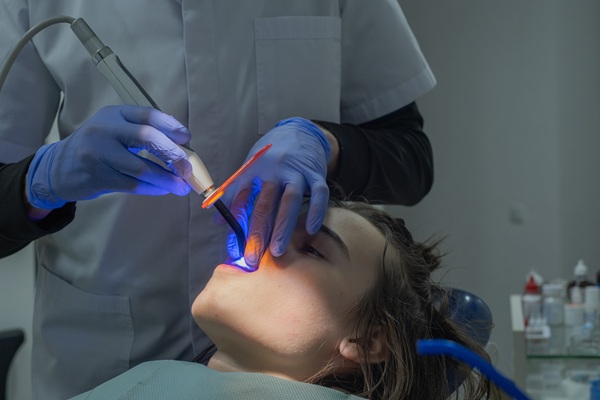
For many people who feel nervous about dental care, laser dentistry offers a calmer, gentler path to treatment. The technology utilizes focused light to treat teeth and gums with reduced noise and vibration compared to traditional tools. This quieter experience helps reduce tension in the chair and can lower the need for numbing in select cases. With the right provider and a simple plan, anxious patients gain comfort and build trust visit by visit.
How laser dentistry reduces stress
Dental fears often stem from sounds, sensations, and concerns about pain. Lasers work differently, which can make appointments feel easier. Many patients describe a gentle warmth rather than the loud whir and pressure of a drill. In soft tissue care, laser dentistry can seal small blood vessels, resulting in less bleeding and faster comfort afterward. At a glance, patients will benefit from:
- Less noise and vibration compared with many traditional tools
- Precise targeting that helps protect nearby healthy tissue
- Minimal heat and pressure sensations for many common procedures
What treatments can laser dentistry handle?
Modern lasers support a wide range of services. General dentists may use them to remove small areas of decay, shape gumlines, treat a gummy smile, or disinfect gum pockets during periodontal therapy. They can also help manage mouth sores and provide comfort for irritated tissues. While not every case is suitable for laser dentistry, it often complements standard methods to make care more comfortable overall.
What to expect during a laser dentistry visit
A typical visit begins with photos or X-rays, followed by a simple explanation of the plan. Patients wear protective wear, and the dentist tests the setting to match the treated area. Most procedures involve short bursts of laser energy with rest in between. If numbing is necessary, the team uses it carefully and checks comfort often. Clear aftercare steps ensure the area stays clean while it rests.
The ideal candidate for the safety of laser dentistry
Safety remains top priority. Dentists and hygienists receive training to choose the correct wavelength and power for each task. People with pacemakers, those taking certain medications, or those with complex medical histories should share their details in advance so the medical team can tailor the plan to their specific needs. For many routine concerns, laser dentistry offers a conservative option that respects patient comfort and promotes healing.
Building confidence before an appointment
Reducing anxiety starts before the day of care. A few small actions create a calmer experience from check-in to checkout:
- Share specific fears so the team can adjust pacing, breaks, and explanations
- Practice slow, steady breathing, or bring music and earbuds for relaxation
- Schedule at a time of day when energy feels highest and the office feels less busy
Why a supportive team matters
Technology works best in the hands of people who listen. A compassionate team explains each step, offers choices when possible, and invites questions in plain language. When patients feel heard and respected, trust in their dental providers grows. Over time, laser dentistry combined with clear communication can transform how someone feels about dental care.
Call us for more information
Dental anxiety does not need to block healthy teeth and gums. With quieter tools, precise targeting, and gentle technique, laser dentistry helps many patients relax and accept care. Do you have dental anxiety or questions regarding laser dentistry? Our team is here to help. Contact our Colorado Springs office for more information.
Request an appointment here: https://fielddentalcenter.com or call Field Dental Center at (719) 362-5777 for an appointment in our Colorado Springs office.
Check out what others are saying about our dental services on Google: Laser Dentistry in Colorado Springs, CO.
Related Posts
A laser dentist can use focused light technology to make certain dental treatments more precise, comfortable, and efficient. Many patients feel nervous about dental care because they associate appointments with drills, pressure, or long recovery times. However, laser dentistry can offer a different experience for some procedures by targeting specific areas of the mouth while…
One of the first rules of dentistry is that it is best to save the natural tooth whenever possible, such as with a dental crown. However, a tooth extraction procedure is an effective alternative when this is not an option. If you are unsure which is right for you, our general dentist can help. They…
The decision to get dental implants is a big one, and one that can drastically change your life for the better. Dental implants offer substantial benefits over other tooth replacement options and can help prevent many of the adverse side effects of tooth loss. Because implants look and act like natural teeth and have the…
Regular dental cleanings are an essential part of maintaining good oral health. These appointments not only leave your teeth feeling fresh and clean, but they also allow your dentist to spot and address potential issues before they become more serious. However, dental cleanings can be more valuable if you actively engage with your dentist. Asking…